Introduction: Understanding Facility Maintenance and Its Importance
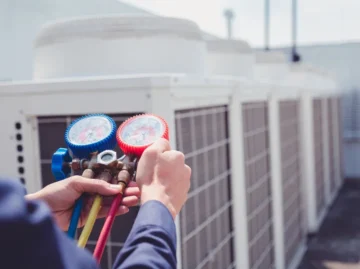
• Definition of Facility Maintenance: Facility maintenance refers to the proactive and reactive measures taken to keep buildings, infrastructure, and equipment functioning at their optimal levels.
• Why it Matters to Businesses: From enhancing safety and improving productivity to saving costs, routine maintenance is key to long-term business success.
The Economic Benefits of Routine Facility Maintenance
• Reducing Repair Costs: Discuss how proactive maintenance prevents more costly repairs and replacements in the long run.
• Increasing Operational Efficiency: A well-maintained facility ensures that equipment runs smoothly, reducing inefficiencies that may result from breakdowns.
• Energy Savings: Proper HVAC maintenance, insulation checks, and lighting system upgrades help in reducing energy bills.
• Asset Longevity: Regular upkeep of assets (machinery, HVAC systems, plumbing, electrical infrastructure) extends their lifespan, reducing capital expenditures.
Enhancing Safety and Security
• Compliance with Safety Regulations: Routine inspections ensure your facility meets local, state, and federal safety regulations.
• Preventing Workplace Accidents: Well-maintained equipment and facilities reduce the risk of accidents, keeping employees and visitors safe.
• Securing the Premises: Regular checks on the security system, fire alarms, lighting, and surveillance equipment are necessary for a secure environment.
Boosting Employee Productivity
• Comfortable Working Environment: Well-functioning HVAC systems, clean facilities, and safe working conditions positively impact employee morale and productivity.
• Reduced Downtime: Properly maintained equipment and facilities ensure minimal downtime, so employees can focus on their tasks without interruptions.
• Employee Retention: A safe and comfortable workplace leads to increased employee satisfaction and retention, contributing to a positive business culture.
Improving Customer Experience
• First Impressions Matter: The state of your facility directly impacts how customers perceive your business. Cleanliness, safety, and functionality are key factors in creating positive experiences.
• Accessibility: Maintenance ensures that your business is accessible to everyone, including people with disabilities, through things like elevator functionality, ramps, and doorways.
• Brand Image and Reputation: A well-maintained facility reflects a commitment to quality, professionalism, and attention to detail, which are qualities customers value.
Sustainability and Environmental Impact
• Eco-friendly Practices: Discuss the role of routine maintenance in implementing energy-efficient systems and using sustainable materials to reduce environmental impact.
• Sustainable Waste Management: Proper maintenance of waste disposal systems helps manage waste and recycling programs effectively.
• Green Building Certification: Regular updates and maintenance can help achieve certifications like LEED (Leadership in Energy and Environmental Design), which can improve brand image and attract eco-conscious customers.
Facility Maintenance as a Competitive Advantage
• Enhanced Customer Loyalty: A well-maintained facility attracts and retains customers. Positive experiences lead to return visits and customer referrals.
• Differentiating Your Business: Competitive businesses often offer superior customer experiences, which are tied to the condition and presentation of their facilities.
• Market Reputation: A business that prioritizes its infrastructure is seen as reliable, forward-thinking, and professional, all of which improve market position.
The Risks of Neglecting Facility Maintenance
• Operational Disruptions: Neglecting maintenance leads to breakdowns, shutdowns, and safety incidents, all of which interrupt business operations.
• Legal Liabilities: Failing to comply with regulations or neglecting safety can lead to lawsuits, fines, and regulatory penalties.
• Loss of Business: A poorly maintained facility, whether through power outages, leaks, or general disorder, can drive customers away and tarnish your reputation.
Key Aspects of Effective Facility Maintenance
• Preventive Maintenance: Creating a plan that includes scheduled inspections, tune-ups, and part replacements to prevent issues before they arise.
• Predictive Maintenance: Using technology (IoT, AI, etc.) to monitor systems and predict failures based on data, which helps to take action before breakdowns occur.
• Corrective Maintenance: Responding quickly to issues that do arise to limit downtime and prevent bigger problems.
• Routine Cleaning and Upkeep: Regular cleaning and organization are just as essential to maintain a positive business environment.
Building a Maintenance Plan
• Developing a Maintenance Schedule: How to create a routine maintenance plan for each area of the facility (HVAC, electrical systems, plumbing, etc.).
• Resource Allocation: How to allocate human and financial resources to ensure your facility is well-maintained without draining your business’s budget.
• Utilizing Technology: Software tools for scheduling, tracking, and managing maintenance tasks.
• Monitoring and Reporting: Importance of tracking progress, monitoring performance, and reporting to ensure that your maintenance program stays effective.
Conclusion: A Long-Term Investment in Success
• Long-Term Vision: Routine facility maintenance is not just a cost but an investment in the future of the business, its people, and its success.
• Commitment to Excellence: Maintaining your facility is a reflection of your commitment to providing excellent products, services, and experiences to both employees and customers.
• Call to Action: Encourage business owners to evaluate their current facility maintenance strategies and prioritize regular upkeep to ensure smooth operations and long-term success.